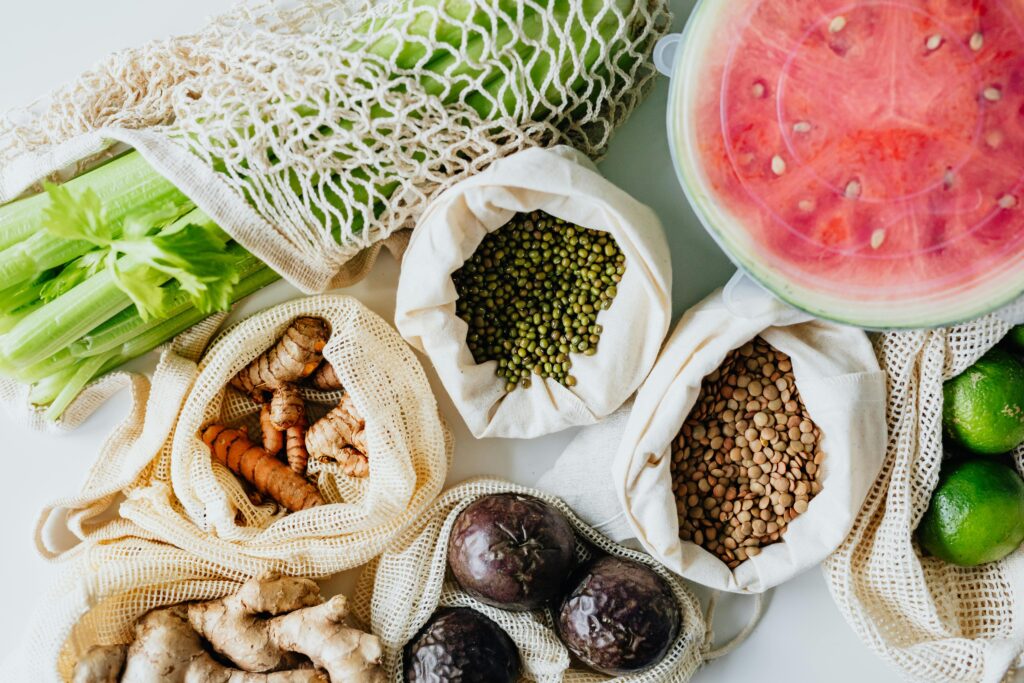
Clean eating isn’t about perfection—it’s about choosing whole, natural foods that nourish your body. In a world filled with processed, artificial, and fast food, adopting a clean eating lifestyle can feel overwhelming at first. The good news? It doesn’t have to be complicated. By making small, intentional changes, you can transition to clean eating in a way that’s sustainable and enjoyable.
What Is Clean Eating?
Clean eating focuses on consuming whole, unprocessed foods in their most natural state. Instead of counting calories or following restrictive diets, clean eating emphasizes real, nutrient-dense foods like fresh vegetables, fruits, lean proteins, healthy fats, and whole grains. The goal is to eliminate highly processed ingredients, artificial additives, and excess sugar while prioritizing food quality.
Why Clean Eating Matters
Your body thrives on real food. Clean eating supports digestion, boosts energy, stabilizes blood sugar, and improves overall health. Highly processed foods often contain preservatives, refined sugars, and unhealthy fats that disrupt gut balance and lead to inflammation. By fueling your body with whole foods, you promote better digestion, mental clarity, and sustained energy throughout the day.
How to Get Started with Clean Eating
Transitioning to a clean eating lifestyle doesn’t mean you have to throw out everything in your kitchen overnight. Start by making gradual changes, focusing on small, manageable steps that will help you build a long-term habit.
One of the easiest ways to begin is by reading ingredient labels. Look for foods with minimal, recognizable ingredients. If a product contains artificial additives, preservatives, or excessive sugar, consider swapping it for a cleaner alternative. Whole, single-ingredient foods—like fresh produce, nuts, seeds, and high-quality proteins—are the foundation of a clean diet.
Prioritizing Whole Foods
Whole foods are the cornerstone of clean eating. Fill your plate with fresh vegetables, fruits, lean proteins like chicken, fish, and legumes, and healthy fats such as avocado, nuts, and olive oil. Instead of refined grains, choose whole grains like quinoa, brown rice, or oats. These foods provide essential nutrients that support gut health and overall well-being.
Avoiding processed foods doesn’t mean giving up convenience. Many quick and simple meals can be made with whole ingredients. Prepping meals ahead of time, batch cooking grains and proteins, and keeping healthy snacks on hand make clean eating more accessible, even on busy days.
Drinking More Water and Cutting Back on Sugary Drinks
Hydration plays a key role in digestion and energy levels. Replacing sodas and sugary drinks with water, herbal tea, or infused water is an easy way to eliminate excess sugar from your diet. Drinking plenty of water helps flush out toxins, supports metabolism, and keeps digestion running smoothly.
Making Clean Eating Sustainable
Clean eating isn’t about being perfect—it’s about making mindful choices. Instead of focusing on restrictions, think about what you can add to your diet. Experiment with new whole foods, try clean versions of your favorite meals, and enjoy the process of nourishing your body.
Start small by making one or two clean swaps per week. Over time, these changes will become second nature, and you’ll find yourself naturally gravitating toward healthier options. The more you prioritize whole, unprocessed foods, the better you’ll feel—inside and out.
Final Thoughts
Eating clean is a lifestyle, not a short-term fix. By choosing whole foods, eliminating processed junk, and making gradual changes, you’ll set yourself up for long-term success. Your body deserves real, nourishing food, and with a little effort, clean eating can become an easy and enjoyable part of your daily routine.