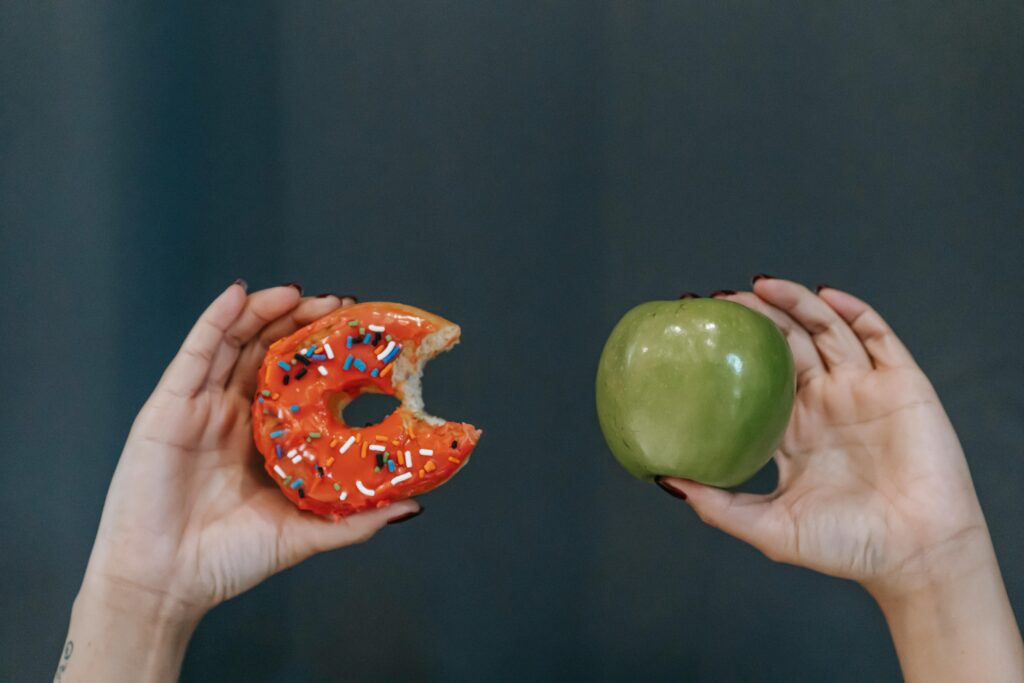
Processed foods are everywhere. They’re convenient, heavily marketed, and often designed to be addictive. But they also contain artificial ingredients, preservatives, and unhealthy fats that can disrupt digestion, weaken the immune system, and lead to inflammation. Cutting back on processed foods doesn’t mean giving up flavor or satisfaction—it’s about making smarter choices and finding healthier alternatives that nourish your body.
Why Processed Foods Are Harmful
Most processed foods are stripped of nutrients and packed with artificial additives that can negatively affect gut health. High levels of sugar, unhealthy fats, and synthetic preservatives can contribute to bloating, digestive discomfort, and food cravings. Processed foods often disrupt the balance of good bacteria in the gut, leading to long-term health issues like inflammation, insulin resistance, and sluggish digestion.
How to Transition Away from Processed Foods
Eliminating processed foods doesn’t have to be overwhelming. Start small and make gradual swaps to ease the transition.
One of the easiest ways to cut back on processed foods is to focus on whole, single-ingredient foods. Fresh vegetables, fruits, lean proteins, and whole grains provide essential nutrients without unnecessary additives. Swapping out processed snacks for whole food alternatives—like replacing chips with homemade roasted nuts or fresh fruit—can make a big difference.
Cooking at home is another key strategy. When you prepare your meals, you control the ingredients and avoid hidden preservatives and artificial additives. Start with simple, clean meals that use whole, unprocessed ingredients. Batch cooking and meal prepping can help make clean eating more convenient, even on busy days.
Finding Healthier Alternatives
One of the biggest concerns people have when giving up processed foods is the fear of missing out on favorite flavors. The good news? There are plenty of delicious, natural alternatives that can satisfy cravings without the harmful additives.
Instead of sugary cereals, try oatmeal topped with fresh fruit and nuts. Swap store-bought salad dressings for homemade versions using olive oil, lemon juice, and herbs. Instead of processed deli meats, choose fresh, organic meats or plant-based protein sources like beans and lentils.
Baking at home is another great way to enjoy treats without processed ingredients. You can use natural sweeteners like honey or maple syrup instead of refined sugar and opt for whole grain or almond flour instead of white flour.
Overcoming Cravings for Processed Foods
Cravings for processed foods are common, especially in the early stages of transitioning to clean eating. These cravings often stem from the high sugar and artificial ingredients that make processed foods addictive.
To manage cravings, make sure you’re eating balanced meals with protein, healthy fats, and fiber. These nutrients help keep blood sugar stable and reduce the urge to reach for junk food. Staying hydrated is also important—sometimes, cravings are actually a sign of dehydration.
If you do find yourself craving processed foods, try a clean alternative first. For example, if you’re craving something salty and crunchy, roasted chickpeas or homemade popcorn with olive oil and sea salt can be great substitutes. If you want something sweet, a smoothie with banana, cocoa, and almond butter can satisfy your taste buds without refined sugar.
Making Clean Eating a Long-Term Habit
The goal isn’t perfection—it’s progress. Eliminating processed foods is about creating sustainable habits that support better health over time. Focus on eating real, whole foods most of the time, and allow yourself occasional indulgences without guilt.
Planning ahead can make clean eating easier. Keeping a well-stocked kitchen with fresh ingredients, preparing meals in advance, and having healthy snacks on hand can help you avoid the temptation of processed convenience foods.
Final Thoughts
Eliminating processed foods doesn’t mean sacrificing flavor or feeling deprived. By making gradual swaps, cooking at home, and finding healthy alternatives, you can transition to a whole-foods-based diet that supports digestion, energy, and overall well-being. Small changes add up, and with time, you’ll naturally crave clean, nourishing foods that make you feel your best.