In today’s fast-paced world, we are constantly bombarded with choices—what to eat, what to buy, and how to spend our time. This overload of options can lead to stress, unhealthy habits, and poor digestion. Minimalism offers a refreshing solution, helping you simplify your life, focus on what truly matters, and make healthier choices for both your body and mind.
Why Minimalism Supports a Healthier Lifestyle
Minimalism isn’t just about decluttering your home—it’s about removing excess from all areas of life, including your diet, habits, and mental space. By cutting out what doesn’t serve you, you create room for what truly nourishes your body and well-being. When it comes to health, minimalism helps reduce decision fatigue, making it easier to choose whole, nutritious foods and maintain a balanced lifestyle.
Simplifying Your Diet for Better Gut Health
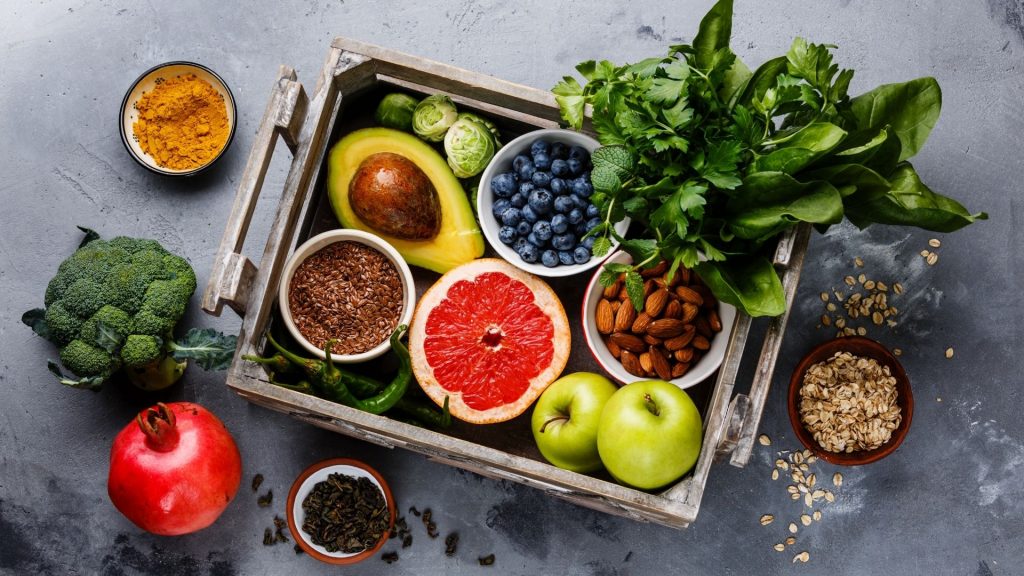
A minimalist approach to food means prioritizing simple, whole ingredients over processed, artificial options. Instead of filling your pantry with an overwhelming number of packaged snacks, focus on nutrient-dense foods that truly support digestion. Eating a variety of vegetables, lean proteins, healthy fats, and whole grains ensures that your gut receives the fiber and probiotics it needs to thrive.
Meal planning also becomes easier when you embrace a minimalist mindset. Keeping a handful of go-to recipes with fresh, seasonal ingredients reduces stress around mealtime. Fewer ingredients mean better digestion, less bloating, and more energy for your day.
Mindful Eating: Slowing Down and Savoring Your Food
Minimalism encourages intentionality, and this can extend to how you eat. Instead of rushing through meals or eating in front of a screen, take the time to appreciate your food. Chew slowly, focus on flavors, and listen to your body’s hunger signals. This not only enhances digestion but also prevents overeating and unnecessary snacking.
When you simplify your approach to eating, you also eliminate the pressure to follow complicated diet trends. Instead of restrictive eating rules, minimalism allows you to focus on balance, nourishment, and enjoying your meals without stress.
Decluttering Your Home for Better Well-Being
Your environment has a direct impact on your mental and physical health. A cluttered home can create stress, making it harder to focus on healthy habits. Organizing your kitchen, removing junk food from your pantry, and keeping only what you need can make healthy eating easier. A clean, clutter-free space promotes calmness, reduces anxiety, and encourages mindfulness in all aspects of life.
Minimalism also extends to your schedule. Overcommitting to too many activities can lead to stress eating, skipped meals, and a lack of self-care. Simplifying your calendar allows for more time to cook at home, exercise, and prioritize rest—all of which contribute to a healthier gut and overall wellness.
Choosing Quality Over Quantity
Minimalism teaches us to invest in high-quality essentials rather than accumulating unnecessary items. This applies to food, kitchen tools, and even self-care products. Choosing organic, locally sourced ingredients over processed convenience foods supports digestion and overall health. Similarly, investing in a few high-quality kitchen tools can make cooking at home easier and more enjoyable.
The same principle applies to personal care products. Many commercial skincare and cleaning products contain harmful toxins that can disrupt gut bacteria and overall health. Switching to non-toxic, minimal-ingredient products reduces exposure to unnecessary chemicals and promotes a cleaner, healthier lifestyle.
Final Thoughts
Minimalism is more than just a trend—it’s a way of living that helps you make healthier choices with less stress. By simplifying your diet, decluttering your home, focusing on mindfulness, and choosing quality over quantity, you create an environment where your body and mind can thrive. A minimalist lifestyle isn’t about restriction—it’s about freeing yourself from the excess that no longer serves you, so you can focus on what truly matters: your health, happiness, and well-being.